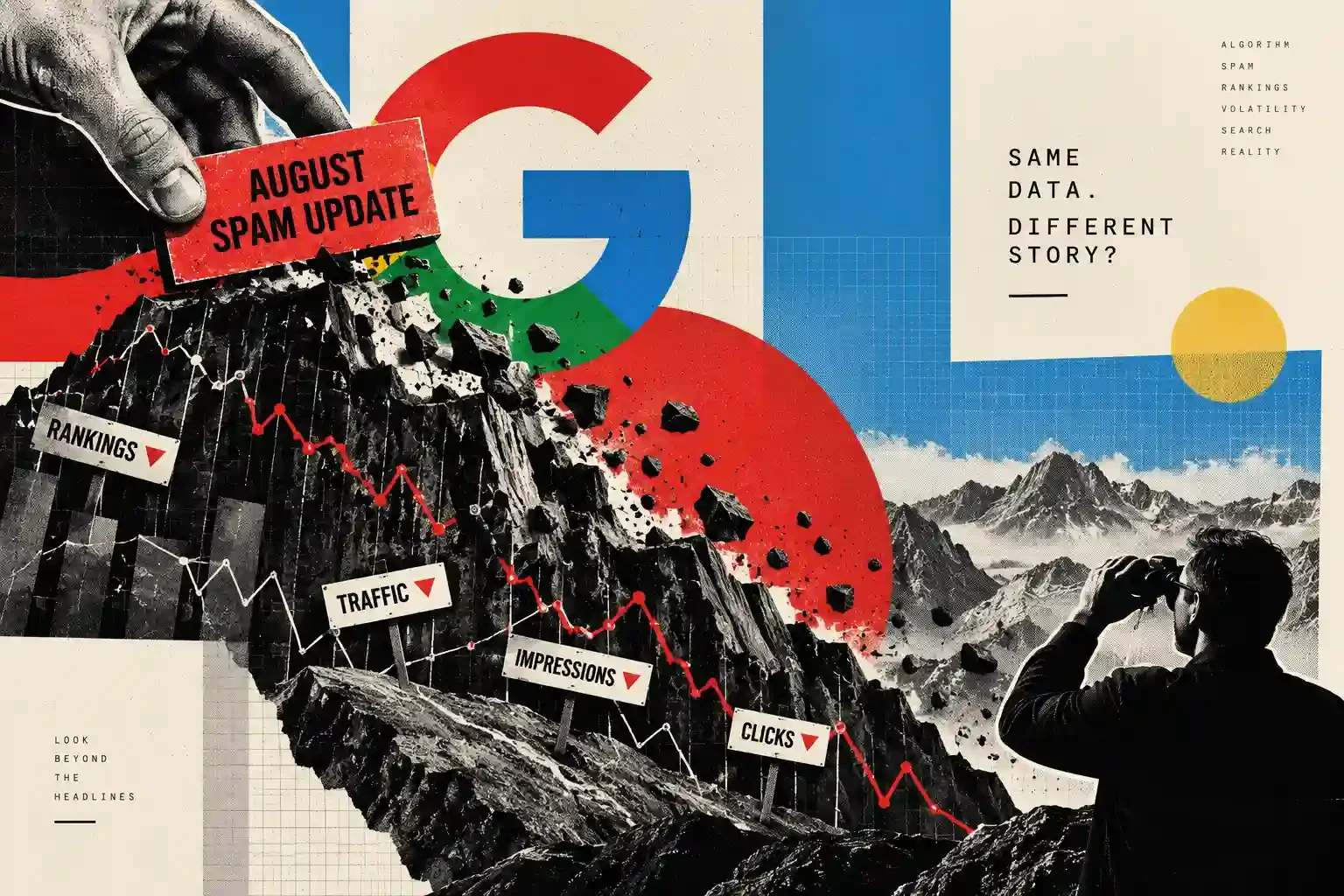
Google's August spam update closed on August 21. By August 26, trackers and site owners reported fresh volatility Google hasn't confirmed or explained.
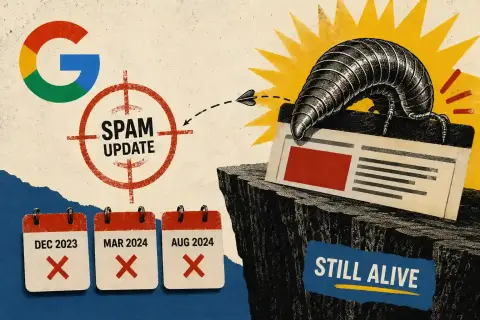
Google's August 2026 spam update ran from August 18 to August 21, a confirmed 2 days and 16 hours, according to Google's own Search Status Dashboard. That part isn't in dispute. What's happened since the rollout closed is: this blog has already walked through what the update explicitly does and doesn't target, so the scope isn't the open question here. The open question is what's been moving in Google's results for the five days after that, because Google hasn't said a word about it.
What Google confirmed, and stopped confirming
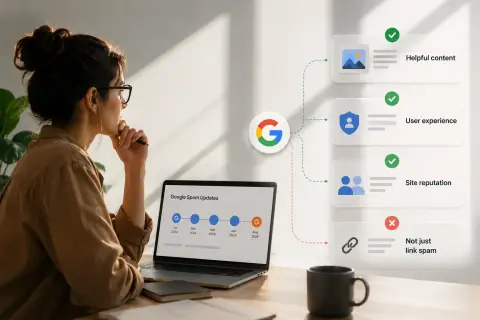
Beyond the dates, Google's public statements on this update were narrow. It called it "a normal spam update" rolling out globally, declined to say what percentage of queries it affected, and stated plainly that it does not target link spam or the site reputation abuse policy. No new spam policy category was announced, and Google's own spam-updates documentation page hadn't changed since December, per Search Engine Journal's reporting. Once the completion note posted on August 21, that was the last word from Google on this specific update.
The volatility that started right after
Search Engine Roundtable documented on August 26 that ranking volatility had not calmed down since the update closed, and that multiple independent third-party tracking tools, along with community chatter, were picking up on it. Barry Schwartz's framing: "It is like Google is pushing out a new Google ranking update post-spam update and did not announce it." That's an inference from tracking data and forum activity, not a confirmed Google statement, and it's worth being precise about that distinction. Nothing on Google's Search Status Dashboard or in any Google communication ties this specific stretch of volatility to a named, dated update the way the August 18 to 21 rollout was tied to one.
What site owners are actually reporting
The reports collected in that same coverage are self-described, unverified accounts from forum threads and blog comments, not data this blog independently confirmed, but they're worth reading for the range of experience rather than any single claim. One person described a "real shuffle" after months of an unchanged niche. Another reported two straight weeks of dead Search and Discover traffic, with some visitors landing on 404 pages instead of live content. A third raised a fairness complaint common to this kind of stretch: rankings for pages the poster described as real, human-written, and policy-compliant reportedly lost visibility while sites the same poster characterized as spam kept their positions. None of that is something Google has addressed, confirmed, or attributed to any specific system change.
Why this keeps happening right after a named update
This blog has already documented that Google's search results saw an unconfirmed or confirmed shakeup roughly every one to three weeks for most of the summer of 2026. A named, dated update like the August spam update gives that ambient volatility a label to attach to, even after the update itself has finished rolling out and Google has stopped commenting on it. The result is a stretch of days where site owners have something concrete to point to (a spam update with a known start and end date) sitting right next to volatility that update was never confirmed to cause. Whether the two are related, coincidental, or evidence of a second, unannounced change is a question only Google can answer, and as of this writing, it hasn't.
What to actually do with this
Treat the confirmed update and the unconfirmed volatility as two separate facts until Google says otherwise. If rankings moved between August 18 and 21, the update's stated scope, general spam policies, not links or site reputation, is the place to start checking. If rankings moved after August 21, that's not something the spam update documentation covers at all, since Google closed that rollout without describing any follow-on changes. Watching the same third-party tracking tools Search Engine Roundtable cites over the following weeks, rather than assuming either the update or a single forum post is the explanation, is the more reliable read until Google confirms something specific.