A firsthand audit found GEO vendors selling PBN placements at 10-15x backlink cost, marketed as brand mentions. Google has already warned against exactly this.
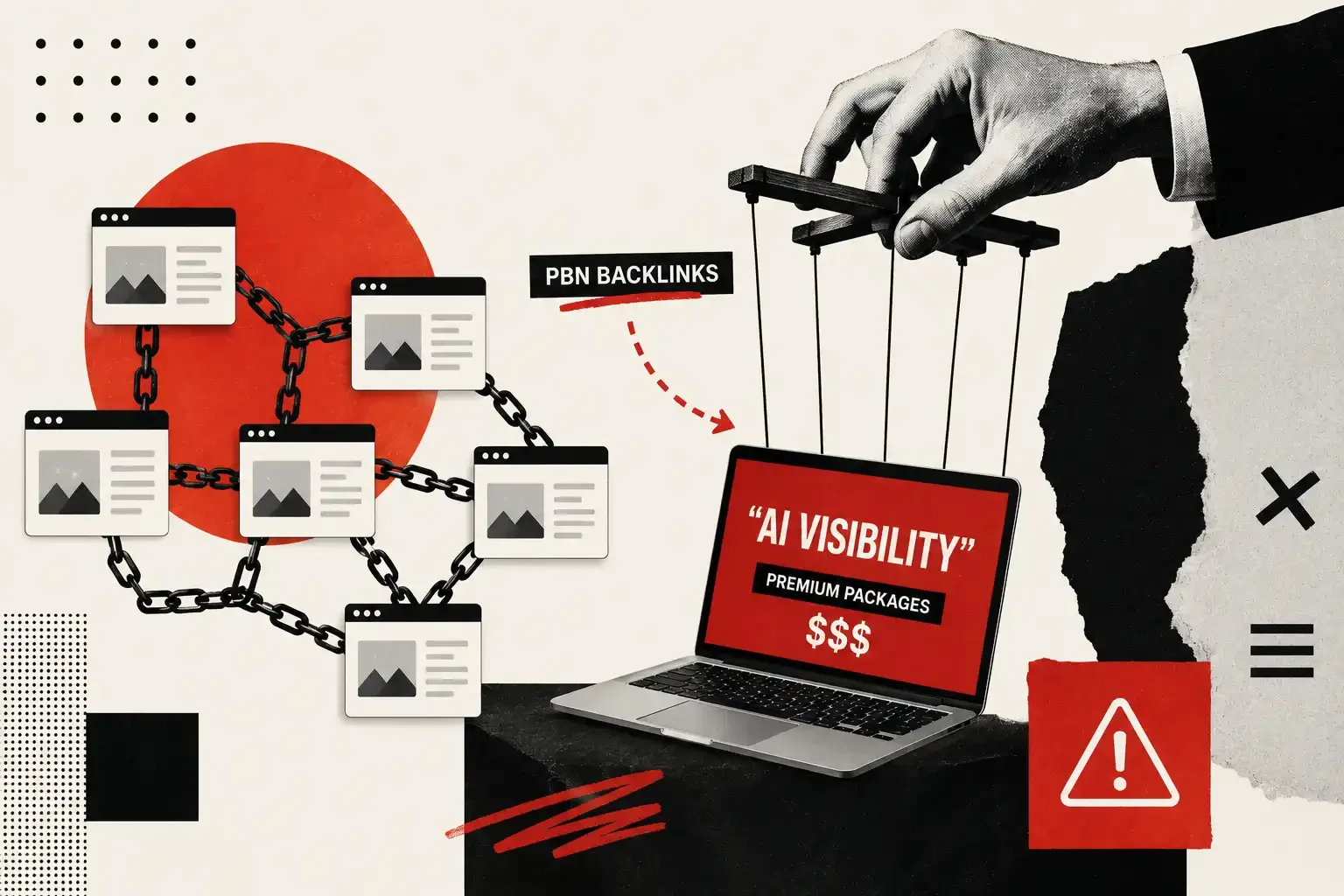
Marketing consultant Gaetano DiNardi personally audited the work of several top-rated GEO (generative engine optimization) vendors selling "brand mention outreach" as a service. What he documented is a familiar scheme with a new label: agencies selling placements on private blog networks, low-quality domains built primarily to sell links rather than serve a real audience, for 10 to 15 times what a typical SEO backlink costs, and pitching the whole thing to clients as "partnership building."
The mechanics he found are specific. A GEO agency generates a "placement opportunity" in Slack for a junior marketer to approve, listing a domain authority score, an estimated citation rate, and a publisher fee, in one documented case, $250 to add a single brand mention. The agency pays that fee to the publisher directly, then invoices the client to recoup it on top of the agency's own retainer. Some of the domains selling these placements are topically irrelevant to begin with (DiNardi found one site with a page about LMS software also publishing crypto wallet listicles), and some vendors supplement the scheme with Reddit astroturfing, aged accounts mass-posting brand mentions into unrelated subreddits, mentions that typically get removed within 30 days for violating community rules.
Why "brand mentions" became the new pitch
The sales narrative behind this leans on a real, defensible premise: there's genuine industry consensus that off-site signals matter more for AI search visibility than they used to. Vendors take that premise and stretch it into a specific, unsupported claim, that buying a high volume of low-quality third-party mentions will meaningfully lift how often a brand gets cited in AI answers. DiNardi's own pushback: proving that off-site mentions correlate with AI visibility is not the same as proving that a paid mention on a thin, irrelevant site causes that visibility, and no vendor claim he reviewed closed that gap.
What Google has already said about this
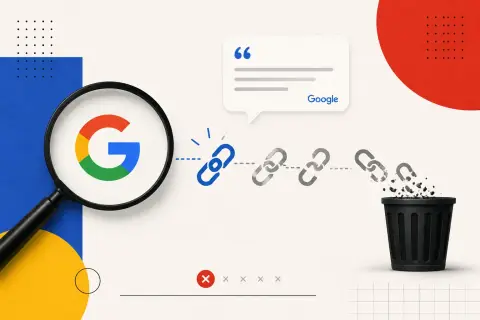
Google didn't wait for this trend to become obvious before addressing it directly. Its own guide to optimizing for generative AI search, under a section literally titled "Mythbusting generative AI search: what you don't need to do," names this exact practice: "Seeking inauthentic 'mentions': Just like the rest of Google Search, our generative AI features can show what's being said about products and services across the web, including in blogs, videos, and forum discussions. However, seeking inauthentic 'mentions' across the web isn't as helpful as it might seem. Our core ranking systems focus on high-quality content while other systems block spam; our generative AI features depend on both."
Google's Gary Illyes made the comparison even more explicit in person. Speaking at Search Central Live Sydney in May 2026, he reportedly compared buying or manipulating brand mentions directly to buying links, something Google's systems already detect, disregard, and treat as a violation. That's not an ambiguous signal. It's the same warning Google has given about paid links for over a decade, restated for a newer tactic wearing a different name.
The disclosure problem underneath it
There's a second issue independent of whether the tactic works: many of these paid placements never get disclosed as paid. The FTC's endorsement guidance is built on a simple principle that applies well beyond influencer marketing: any material connection behind an endorsement, including a payment, has to be disclosed clearly and conspicuously, and both the party making the endorsement and the one paying for it can be held responsible when it isn't. A "brand mention" purchased through a placement fee and never flagged as sponsored on the page it appears on sits squarely inside that requirement. Most of the placements DiNardi reviewed showed no such disclosure.
Why it works right now anyway
The honest answer is that it sometimes does, for now. LLM citation systems are newer and less refined than Google's decade-plus of link spam detection, and it's plausible they currently reward mention volume from sources Google's own systems would already discount. In comments to Search Engine Land, SEO consultant Lily Ray called this a temporary window, one to two years at most, before AI platforms build the same kind of countermeasures Google built for links after the first Penguin update in 2012. Her framing: paid mentions on low-quality sites are "another evolution of spammy link building," and betting that AI platforms won't eventually catch on the way Google did is naive.
What this looks like from the buying side
The pattern is recognizable if you know what to look for: a pitch that frames a paid placement as a "partnership" rather than a transaction, a publisher fee that gets invoiced separately from the agency retainer, a domain whose other content has nothing to do with your category, and a mention that never shows up flagged as sponsored on the live page. Every one of those is a variation on a due-diligence check that already applies to buying backlinks; the label on the pitch deck changed, the underlying evaluation didn't.
Where this differs from what's already on this blog
This blog already covers what "vetted" actually means at AI-powered self-serve link marketplaces, a different mechanism, self-serve software rather than an agency-run outreach program, but the same underlying gap: a paid placement marketed as safe without the disclosure question ever getting checked. It also sits alongside the August 2026 spam update myth-check post as another case of a claim needing to be checked against what Google said on the record instead of what a vendor's sales pitch implied. For the mechanical due-diligence steps (checking a specific page before paying for anything on it), the backlink-vetting checklist applies here just as directly as it does to a traditional link buy.
A directory listing has none of this ambiguity: there's no publisher-fee markup to invoice, no disclosure gap to check, and no partnership framing standing in for a transaction, a listing is exactly and only what it says it is.