Loganix and FatJoe both admit, on their own sales pages, that agencies mark up and rebrand their links. Here's what that markup actually covers.
Scroll to the bottom of Loganix's white-label link building sales page and there's a FAQ item labeled "Any insider secrets about white label backlinks?" The answer is unusually candid for a vendor page: "The agency sells link building to their client at a markup, then pays a specialist to fulfill the work. The specialist delivers white-labeled reports showing the links built, which the agency rebadges with their own branding before presenting to clients." FatJoe, a competing wholesale vendor, says the same thing in plainer terms on its own reseller page: "These white label SEO products can then be passed along to your clients without them ever knowing fatjoe was involved."
Neither company is confessing to anything shady. Both are describing their actual business model, out loud, on pages designed to recruit more agencies into it. If you've ever paid an SEO agency for "our link building service" and gotten a branded PDF report back, there's a real chance the links in it were built by one of a small number of wholesale vendors, not by anyone at the agency you hired.
The markup, in the vendors' own numbers
FatJoe doesn't set a resale price for agencies. Its reseller FAQ is explicit: "There's no one answer for how much to mark up white label SEO services. You decide... You'll have complete freedom to sell any of our services at any price point you choose!" Stellar SEO, a competing link building agency, gave a specific figure in its own Search Engine Land guide for agencies scaling white-label link building: "Build in your margin (typical resale margin = 30-50%)."
That's not a hidden fee structure or a violation of anything. Reselling a specialized service at a margin is a normal business, the same as any agency subcontracting design work or ad management. The part worth noticing is that this margin sits entirely outside your view. FatJoe's public pricing for a single Blogger Outreach placement runs from $83 for a DR10+ site up to $528 for DR60+. Loganix's Authority Links start at $400 and scale to $600 by traffic tier. Whatever an agency charges you on top of those numbers is theirs to set, and the white-labeled report you receive won't show you the wholesale line item it was built from.
The links are built to pass full ranking credit, and that's the actual risk
Both of these vendors' flagship link products are sold as guaranteed do-follow. Loganix's own FAQ for its Authority Links service asks and answers directly: "Will My Link Be DoFollow or NoFollow? Orders placed through Authority Links will always be do-follow." FatJoe's Blogger Outreach pricing table lists "Do-follow" as a standard, guaranteed feature of every placement tier, alongside guaranteed DR and traffic minimums.
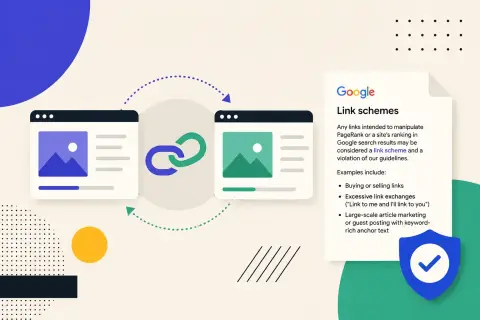
That matters because Google's own spam policies are specific about what makes a paid link acceptable. Buying or selling links for ranking purposes is listed directly under link spam. But the policy also carves out a legitimate path: "Google does understand that buying and selling links is a normal part of the economy of the web for advertising and sponsorship purposes. It's not a violation of our policies to have such links as long as they are qualified with a rel="nofollow" or rel="sponsored" attribute value to the <a> tag." A guaranteed do-follow paid placement is, by definition, built to skip that qualification and pass full ranking credit instead. Neither vendor's public product page for these specific services mentions offering a nofollow or sponsored-tagged alternative.
None of this means every white-label link is going to trigger a manual action. Plenty of sites run unqualified paid links for years without consequence. But if Google ever does act on an unnatural link pattern, the penalty lands on the client's domain, the one ranking in search, not on the wholesale vendor or the agency that resold the placement. The agency's exposure ends at a refund policy; the client's doesn't.
Why agencies do this anyway
The reasoning both vendors give for why agencies outsource in the first place is legitimate. Loganix's FAQ lists it plainly: link building is specialized, requires outreach relationships that take years to build, and most agencies can't justify hiring a dedicated in-house team for it. FatJoe makes the same case on its link building services page, framing itself as a way for an agency to "service more clients and grow without increasing overheads." Neither of those is a scam pitch. Subcontracting specialized work is how most service industries function, including this one.
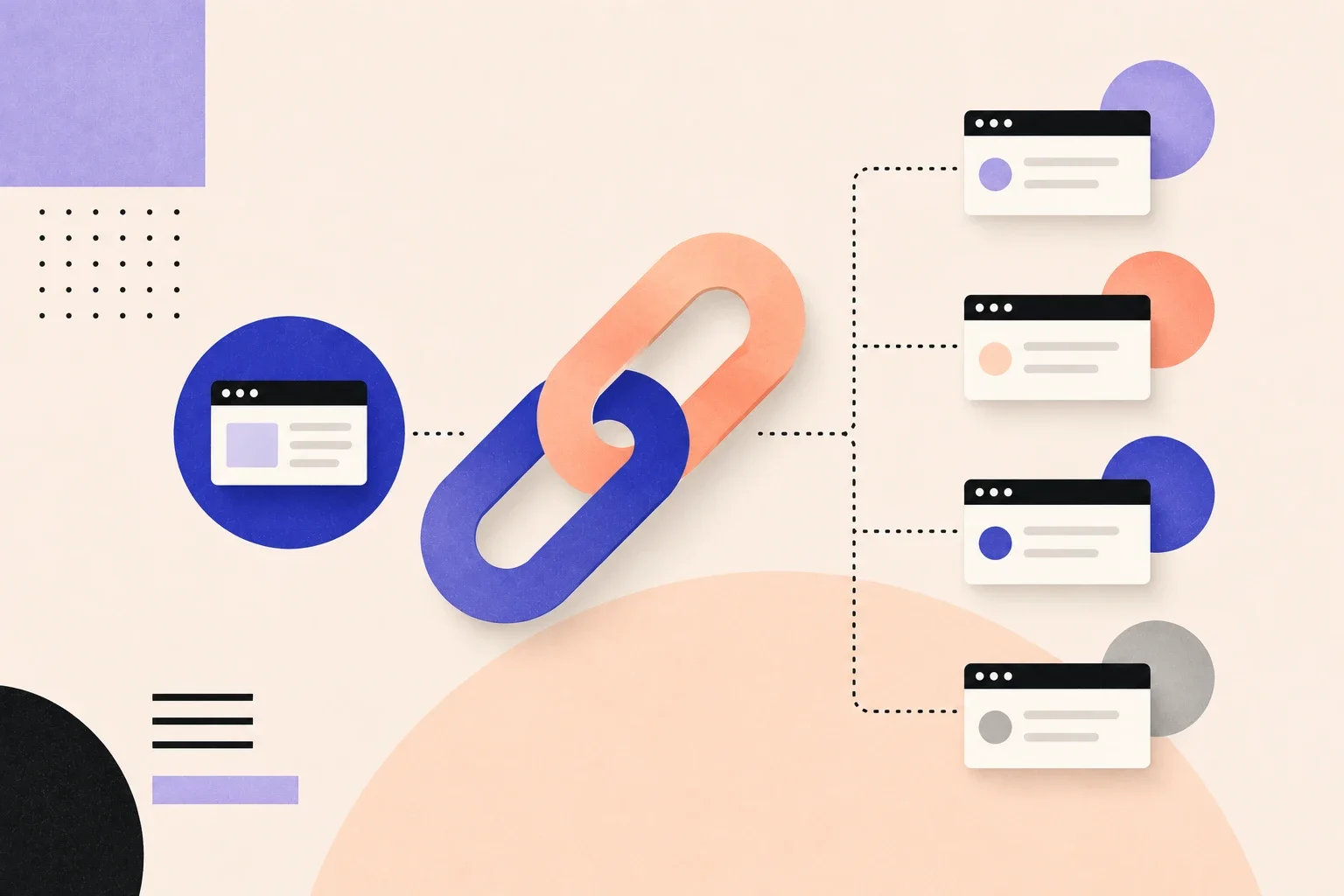
Outsourcing the work isn't the problem. The whole chain staying invisible is: the markup, the wholesale source, the do-follow status of what's being bought. "White label" as a term describes exactly that setup, a product built so the client can't see past the agency's own branding to what it's really built from.
What that leaves you able to check
You can't undo the opacity of a white-labeled report after the fact, but the two facts that matter most here are ones both wholesale vendors will state plainly if you ask them directly, since they already publish them on their own product pages: whether a given link type is do-follow or nofollow/sponsored-qualified, and what a comparable placement costs at wholesale for that domain-rating tier. If your agency can't or won't answer either question about work they're billing you for, that's a more useful signal than anything about the vendor's identity. The checklist for vetting a specific placement before paying applies just as directly here as it does to buying a link directly, since the actual placement, once built, is the same either way.
Where this differs from what's already on this blog
This blog has already looked at what a backlink actually costs at the market level and how GEO agencies have sold PBN placements as brand-mention outreach, a different paid-placement disclosure gap with the same underlying shape. This post sits between them: not market-wide pricing, and not a mechanism built on fake brand mentions, but the specific markup-and-relabeling structure that sits between a client and the wholesale link vendor doing the actual work, confirmed here in the vendors' own words rather than inferred from outside.
A directory listing skips this structure entirely: it's a direct, one-to-one paid inclusion with no wholesale layer and no reseller markup to price out, so there's no hidden chain to ask about in the first place.