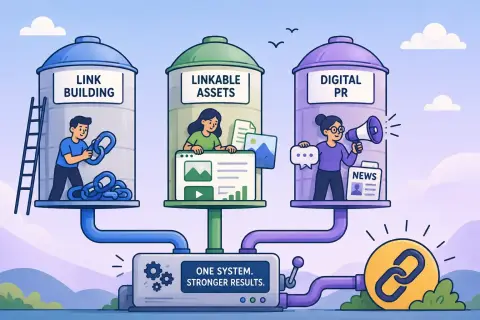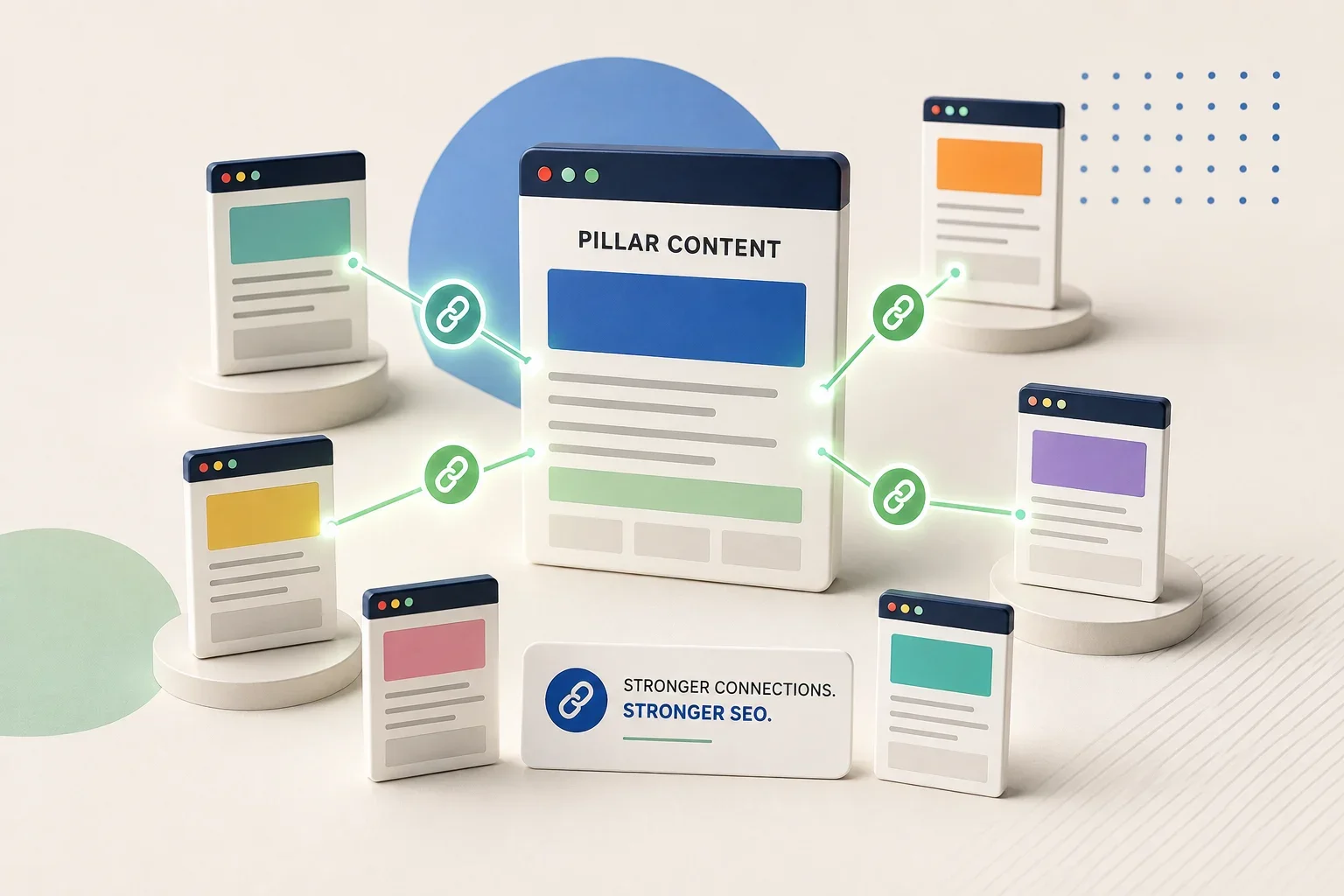
The link-building channel that costs nothing, needs no outreach, and most sites still leave half-built: the links you already control between your own pages.
Every other post on this blog is about earning a link from someone else's site: outreach, guest posts, roundups, HARO replacements, backlink audits. All of that effort goes toward links you don't control, on domains you don't own, that another editor has to approve. Meanwhile there's a link-building channel sitting inside your own CMS that requires no pitch, no approval, and no domain rating check, and most sites still run it on autopilot.
What Google says about it
Google's John Mueller has been asked directly whether internal linking still matters once a site has breadcrumb structured data in place. His answer, reported by Search Engine Journal: "Internal linking is super critical for SEO. I think it's one of the biggest things that you can do on a website to kind of guide Google and guide visitors to the pages that you think are important." He was specific that structured data doesn't substitute for it: "Just because there is a structured data in a page somewhere, I wouldn't see that as a replacement for normal internal linking." The advice he gave was to treat it strategically rather than as a basic set of links: decide what you actually care about most, whether that's your highest-margin pages or the ones you're weakest against competitors on, and build the internal link graph to reflect that on purpose.
That's not a new statement, and it doesn't need to be. Google hasn't walked it back, and the underlying mechanism, that internal links are the clearest signal you get to hand-tell Google (and any AI crawler indexing your site) which pages matter, hasn't changed with any recent update.
What it does at scale
The abstract version of "internal links help crawling" is easy to nod along to and easy to under-invest in. The concrete version is more convincing. JetOctopus's CTO documented a direct before/after from working with large sites: on a test set of pages, only 40% were being crawled by Googlebot. After implementing a revised internal linking scheme targeting those specific pages, crawl coverage rose to 70%, a jump that showed up in indexation and organic traffic, not just a crawl-stats dashboard.
A JetOctopus case study on Depositphotos, a 150-million-page content platform, found only 20% of pages were being indexed at all. The fix started with internal linking: the team identified which pages had the fewest internal links pointing to them, then directed links from stronger, well-crawled pages toward those neglected ones. The page refresh rate, how long it took Googlebot to recrawl a page, dropped by half, and previously invisible pages started showing up in the index. Nobody built a single external backlink to make that happen.
The mechanism behind both examples is the same one Mueller described: a page with one internal link pointing to it, buried three clicks deep with no other page vouching for it, reads to a crawler as unimportant. It doesn't matter how good the content is if nothing on the site is telling Google to bother.
The donor/acceptor model, in plain terms
If you want a working mental model instead of just "add more links," JetOctopus's practical framing is the clearest one available: split your pages into donors and acceptors. Donor pages are the ones already getting crawled often and ranking, meaning they have authority to spend. Acceptor pages are the ones getting ignored, thin on internal links, but worth indexing, usually long-tail content that individually gets modest traffic but adds up across hundreds or thousands of pages.
The fix isn't "link everything to everything." It's identifying your specific donor pages and deliberately adding links from them to the specific acceptor pages that need the boost. On a small site you can do this by eye. On anything past a few hundred pages, you need an actual crawl of your own site with internal-link-count data attached to each URL, because "which pages have almost no internal links pointing at them" isn't something you can eyeball from memory once you're past a couple hundred URLs.
Where sites get this wrong
Internal links exist, but by accident. Most sites have plenty of internal links already, just not placed with intent, whatever the CMS auto-generates plus whatever a writer happened to link while drafting. That's different from a link graph someone deliberately shaped.
New content doesn't get retrofitted into old pages. A new post going live is a natural moment to add a link to it from older, already-indexed pages that touch the same topic. Skipping this step means the new page has to earn its own crawl priority from zero instead of borrowing it from an established page.
Orphaned pages hide in sitemaps. A page that's technically live and technically in your sitemap but has zero internal links pointing to it is easy for a crawler to treat as low-priority, and easy for you to forget exists. Worth an occasional check: does anything on the site actually link to this page, or is the sitemap the only place it's mentioned.
Anchor text stays generic. "Click here" and "read more" tell a crawler nothing about what the destination page is about. A descriptive anchor does double duty: it helps a human decide whether to click, and it hands the crawler semantic context about the linked page that a generic anchor throws away.
Where to start
You don't need to rebuild the whole site's link structure at once, and trying to is how this kind of project stalls out. Start with a crawl of your own site (most SEO crawlers report internal link counts per URL) and pull the pages with the fewest internal links pointing at them that you'd actually want ranking. Cross-reference against pages that already get decent traffic or already rank reasonably well, those are your donors. Add specific, descriptively-anchored links from a handful of donor pages to each underlinked acceptor page. Then check back in a few weeks: did crawl frequency or indexation on those specific pages change.
It's slower and less exciting than a backlink win, and nobody sends you an email congratulating you on it. But it's link equity you already generated through your own content, sitting unused because nothing points at it. A directory of vetted backlink sources solves a different problem than this one. This is about routing the authority you've already built to the pages that need it.