A Claude Code skill now finds nonprofits that trade a donation for a link, EFF's DR91 donor page included. Google's Mueller had a two-word answer in 2016.
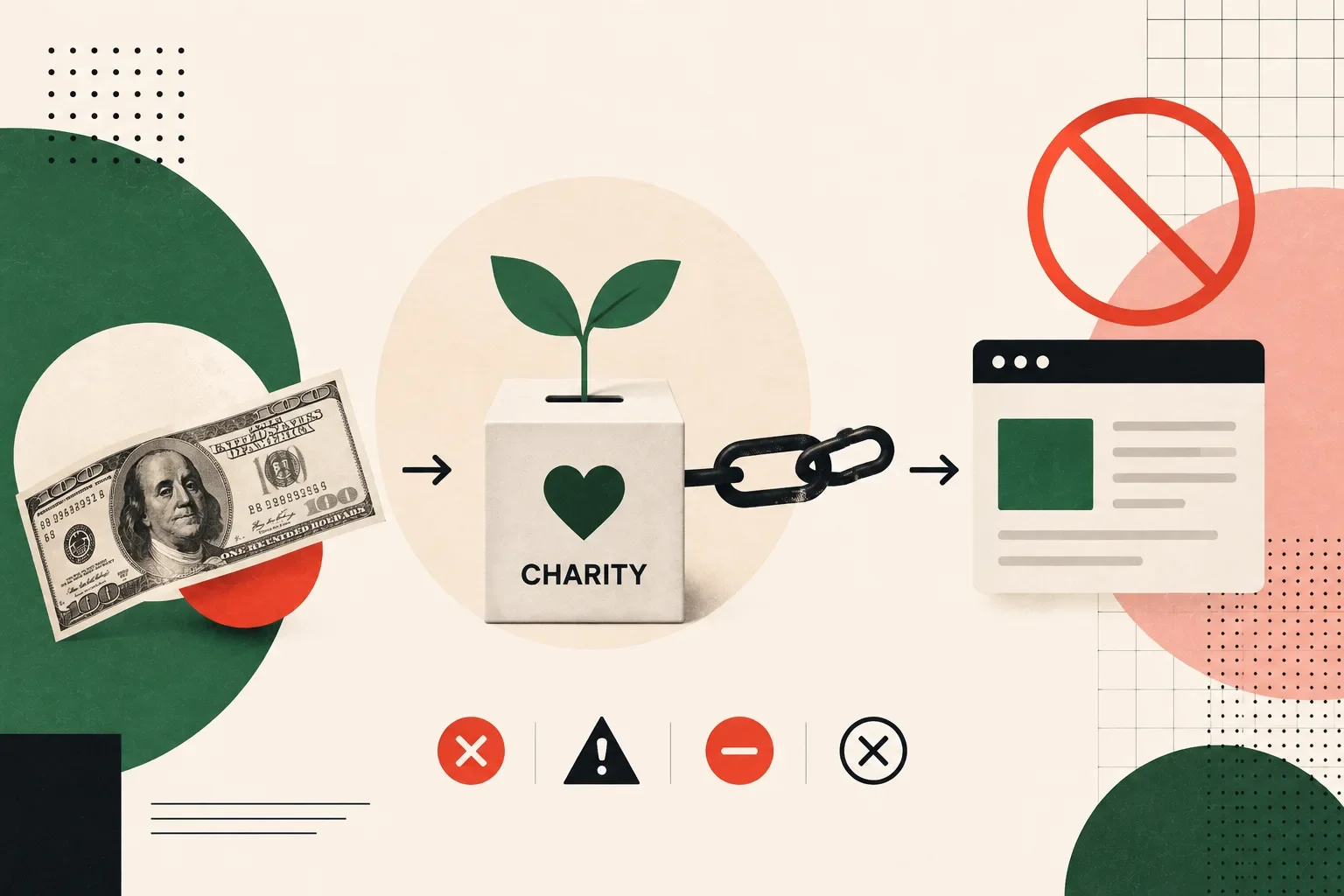
A July 2026 walkthrough of an AI-agent link-building setup shows a custom Claude Code skill whose entire job is finding nonprofits that will list a donor on a /donors or /sponsors page, link included. The flagship example in the video is the Electronic Frontier Foundation: a DR91 domain, 50,000 monthly visitors, and a donation of any size gets a name and a link on its donor page. The presenter points out, on camera, that EFF's donor list already includes an ammunition retailer and an accounting-software company alongside its usual privacy-tech sponsors, which is the tell. Nobody donates to a digital-rights nonprofit for ammunition-brand reasons. The link is the point, and now there's a packaged workflow for finding the nonprofits most efficient at handing one out.
Google already answered this, and it wasn't complicated
This isn't a new tactic wearing an AI-agent costume. In December 2016, someone shared a Medium post cataloging charity sites that hand out dofollow links to donors, and Google's John Mueller replied on Twitter with a question that answered itself: "It's just a paid link, right?" That's the whole ruling. Not a nuanced take on intent or good causes, just a recognition that money changed hands and a link came back, which is what a paid link is regardless of who's on the receiving end of the check.
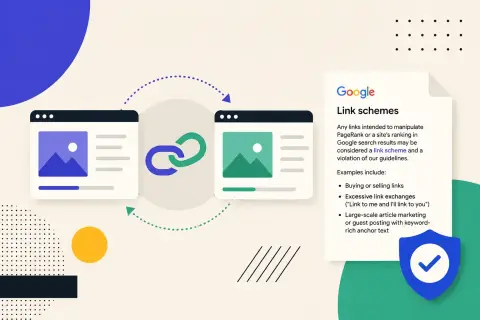
Nothing in Google's current spam policies has moved since. The live link-spam section doesn't use the word "charity," but it doesn't need to: the first bullet under "buying or selling links for ranking purposes" is "exchanging money for links, or posts that contain links," full stop, no carve-out for where the money lands. A donation that comes with an expected dofollow link attached is exchanging money for a link with extra steps, whether a person finds the nonprofit by hand or a Claude Code skill finds six of them in a table before breakfast.
Why this isn't the same as a company sponsoring a charity
Businesses sponsor nonprofits constantly, and plenty of those sponsor pages link back to the sponsor. That's not automatically a violation, and treating every acknowledgment link as spam would be absurd. The distinction Google's policy draws is about the transaction, not the cause: did the money buy a link, or did a link happen to result from a relationship that would have existed anyway? A local hardware store that sponsors a youth soccer team and gets listed on the league's "our sponsors" page is participating in a community, and a follow or nofollow on that listing was never the point. An SEO tool automating a search for "nonprofits I can donate to in exchange for a link from their donors," in the words of the actual prompt shown in that July video, is the same mechanism Mueller was describing in 2016, just running on a schedule instead of a hunch.
One nonprofit's own guide to accepting these donations makes the same admission from the other side. An agency writing for nonprofit clients advises charging a few hundred dollars for a sponsor-page or event-page link, noting "it's hard to justify much more than $500 purely on SEO value." A donation made for its own sake doesn't get priced against its SEO value, because nobody involved is thinking about SEO.
The current policy's compliant path is the same one that applies to any paid placement: a rel="nofollow" or rel="sponsored" attribute on the link. Google states outright that buying and selling links is "a normal part of the economy of the web for advertising and sponsorship purposes" as long as they're qualified this way. A nonprofit is free to sell acknowledgment links exactly like any other site sells ad placements. What changes the calculus is a follow link sold, or automated, specifically as a ranking input, which is the product on display in that walkthrough.
What this looks like from the buyer's side
If a link-building tool or vendor pitches "charity" or "NGO" links as a category, ask the same question a donor would ask about any other paid placement: is the link qualified with nofollow or sponsored, and would the donation happen if the link weren't attached? If the answer is that the link is unmarked and the target is chosen for its Domain Rating rather than any alignment with the cause, the arrangement is a paid link that happens to route through a 501(c)(3), not a donation that happens to come with recognition. Automating the search for that arrangement, the way the AI backlink agents this blog has already looked at do, doesn't change what Mueller settled a decade ago. It just finds more of them, faster.
Where this differs from what's already on this blog
The backlink-vetting checklist covers how to evaluate a placement before paying for it, across any type of site. This post is narrower: a specific, recurring pitch, donating to a cause in exchange for a dofollow link, that gets marketed as a loophole around ordinary link-buying scrutiny because a nonprofit is involved, and that AI agents can now find and execute without a human doing the outreach. It isn't a loophole. The same reasoning behind ignoring the white-hat-versus-black-hat framing entirely applies here: what matters is whether money bought a specific link, not who cashed the check or what wrote the prompt.
A directory listing sidesteps this question completely, since it's a transparent placement sold as a placement, with no charitable framing standing between the payment and what it buys.