Bing is testing a 'Recommended by' label on product results that names a publisher but sends clicks to retailers. What's known and what isn't.
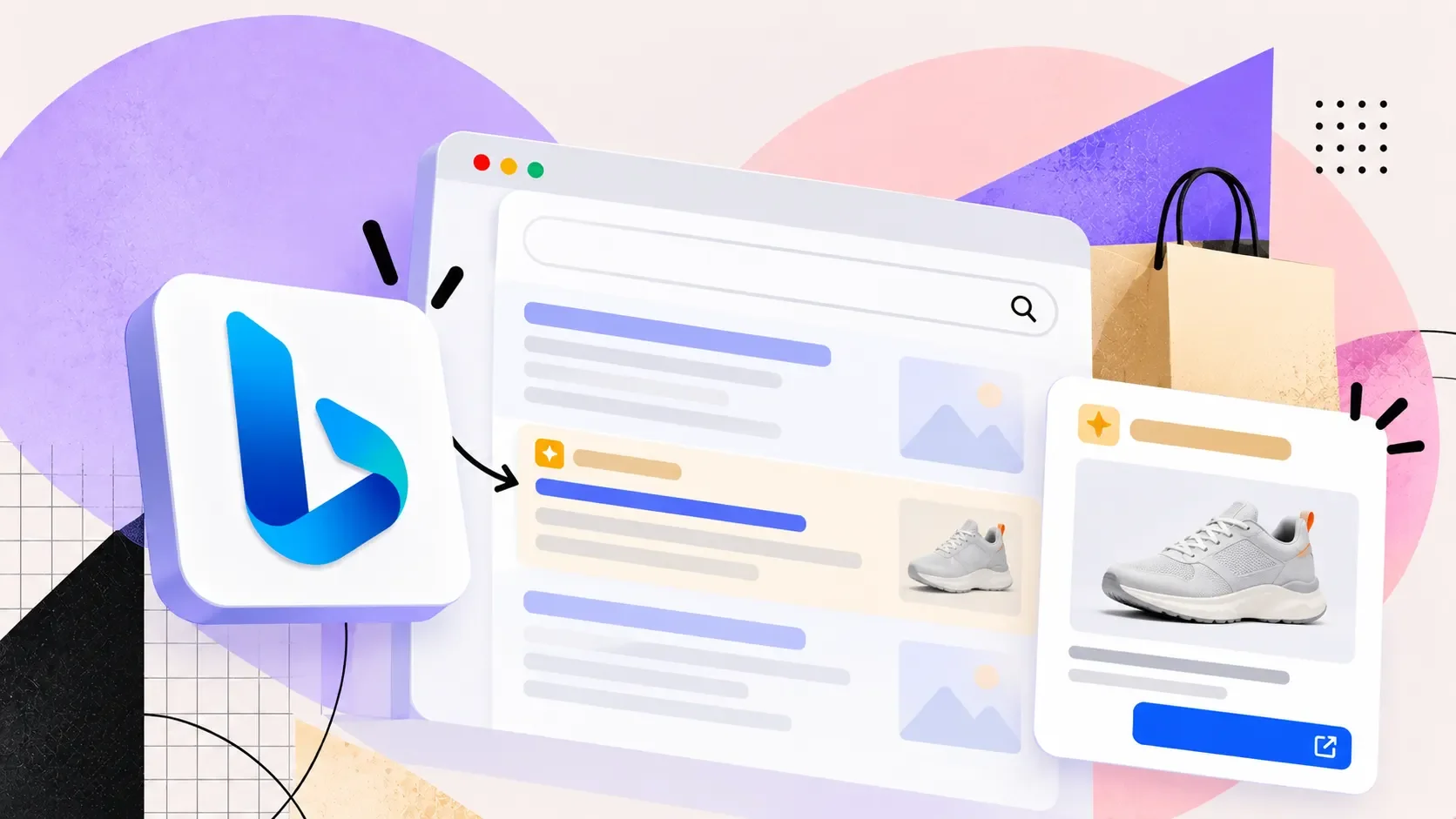
Bing is testing a product results section with a label reading "Recommended by" followed by the name of a company. In the example Search Engine Roundtable documented on October 2, the label read "Recommended by GearLab." The thumbnails below it link to retailers. Nothing on the page links to GearLab, and, according to Barry Schwartz, the retailer pages he clicked through to don't mention GearLab either.
He also wrote that there is no way to verify the brand recommended the products shown, because he couldn't find a link to the source of the recommendation.
What was seen, and by whom
The sighting came from Sachin Patel, who posted it on X and wrote it up for Search Engine Watch. Schwartz reproduced it in some browsers, which suggests a test running for a subset of users, not a general launch. Patel's Search Engine Watch report from September 30 describes a related change, a "Recommended products" heading appearing above product grids in organic results, which previously had no heading. He reads that as a likely click-through boost for the labeled products.
Those are two different labels. One is a generic heading on a product grid. The other credits a named source. Schwartz notes that Google tested a "recommended by" section in a product carousel in May 2025, so Bing may be following that design, though he says he isn't sure.
Why a publisher should care
If your business is product reviews, a recommendation credited to you has real value, because it sends a trust signal to a shopper at the moment of choosing. The test as documented gives you the credit and takes away the click. The user sees your name, the thumbnails send them to someone who sells the product, and a visit to the retailer page won't tell them where the recommendation came from.
That is the same shape as a problem this blog has covered before. This blog has already compared brand mentions with backlinks for AI search citations. A mention with no link sends no traffic, doesn't register in a backlink report, and can't be measured by the usual tools. A "Recommended by" label is a mention in its purest form: your name, attached to a product, with no path back to you.
What isn't known
Several things the reporting doesn't establish. It is unclear where Bing gets the recommendation, whether the named company agreed to it, and whether it comes from a reviews page, a feed, or a model. Schwartz couldn't trace it. It is also unknown whether the label will spread beyond the test, and Patel's piece doesn't say how large the test is.
It would be a mistake to build a plan on either reading. Calling it a win for publishers because they get named assumes a credit without value. Calling it a problem assumes the credit is unauthorized. The documented facts support neither.
What to check
If you publish product recommendations, search your own top products on Bing and see whether your name appears in a "Recommended by" line, and where the thumbnails send people. If your brand shows up in a recommendation you didn't write, the absence of a link is the thing to record. Keep dated screenshots, since tests like this tend to change or disappear without notice.
Treat it as a measurement problem before a strategy problem. If an attribution like this reaches your audience without a click, your analytics can't show it. Branded search volume and direct visits are the nearest indirect signals, and neither will prove the cause.